
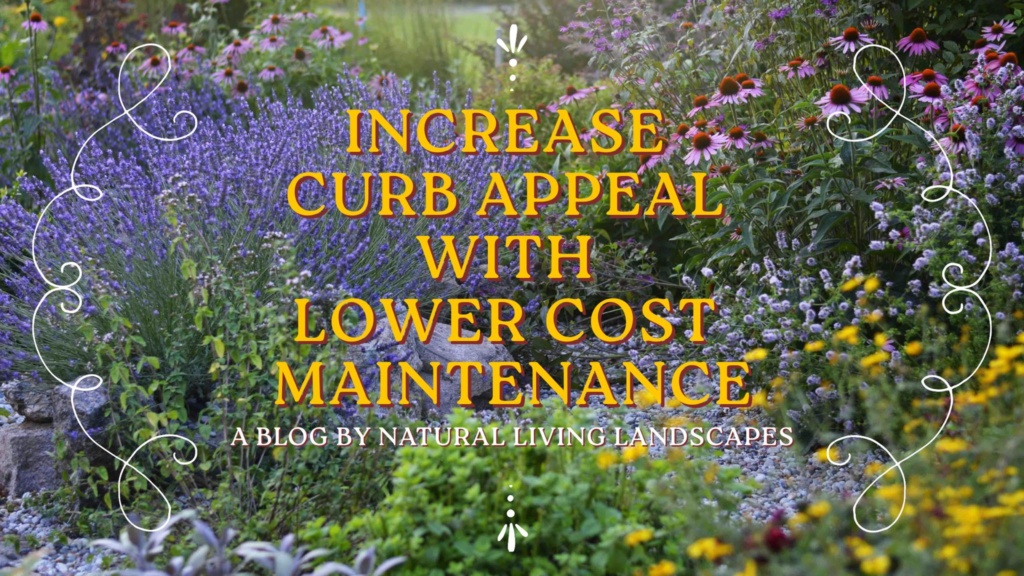
With the spring season in full swing, homeowners begin to question:
“What improvements can I make to my yard?”
If you’re looking for inspiration, or just want to create a lower maintenance yard, I propose to you this idea: perennial garden.
The Problem:
Historically people view the ideal landscape as golf course lawns. While this aesthetic has its place, I’m here to persuade you otherwise. The dream of having the perfect lawn is not necessarily out of reach, but it may feel that way to some people, as it requires a lot of energy and/or money to upkeep.
In theory, if you have less lawn, then perfectly maintaining a smaller space should be less of a hassle. This does not require moving to a home with less lawn, or hiring an expert to fix that one patch of grass that simply does not grow the way you want it to. Consider addressing your problem areas with a new solution.
The Solution:
Perennial plants are plants that return each year. No need to go out and purchase them time after time. If you purchase specifically native plants, the odds of them thriving in the appropriate place naturally increases. Native plants have evolved with time. They often have natural defenses against native pests in our area, and they know what to do to keep their population thriving. When placed in the right location, they essentially maintain themselves. There is a perennial plant to fit almost any environment, wet, dry, sunny, or shady.
Perennial gardens can take up some of that blank lawn space and provide you with visual interest and color in spring, summer, and fall seasons. They provide food and safety for local pollinators, such as birds, bees, ladybugs and other native wildlife that can protect your yard from unwanted pests, especially if you have a vegetable or herb garden on your property. In case you did not know, birds eat mosquitoes and ants; and ladybugs assist with aphids and mites.
Perennial gardens can be planted in almost any location. They can be installed by the mailbox or driveway to create an inviting arrival to the property. They can be used as a border around walkways or under windows instead of shrubs to prevent overgrowth blocking the view or path. They can even be used as statement areas in the center of a lawn to cover that stubborn patch of grass that just won’t grow correctly. The possibilities are endless, and if you want to spend less time mowing the lawn, perennial beds may just be the solution for you.